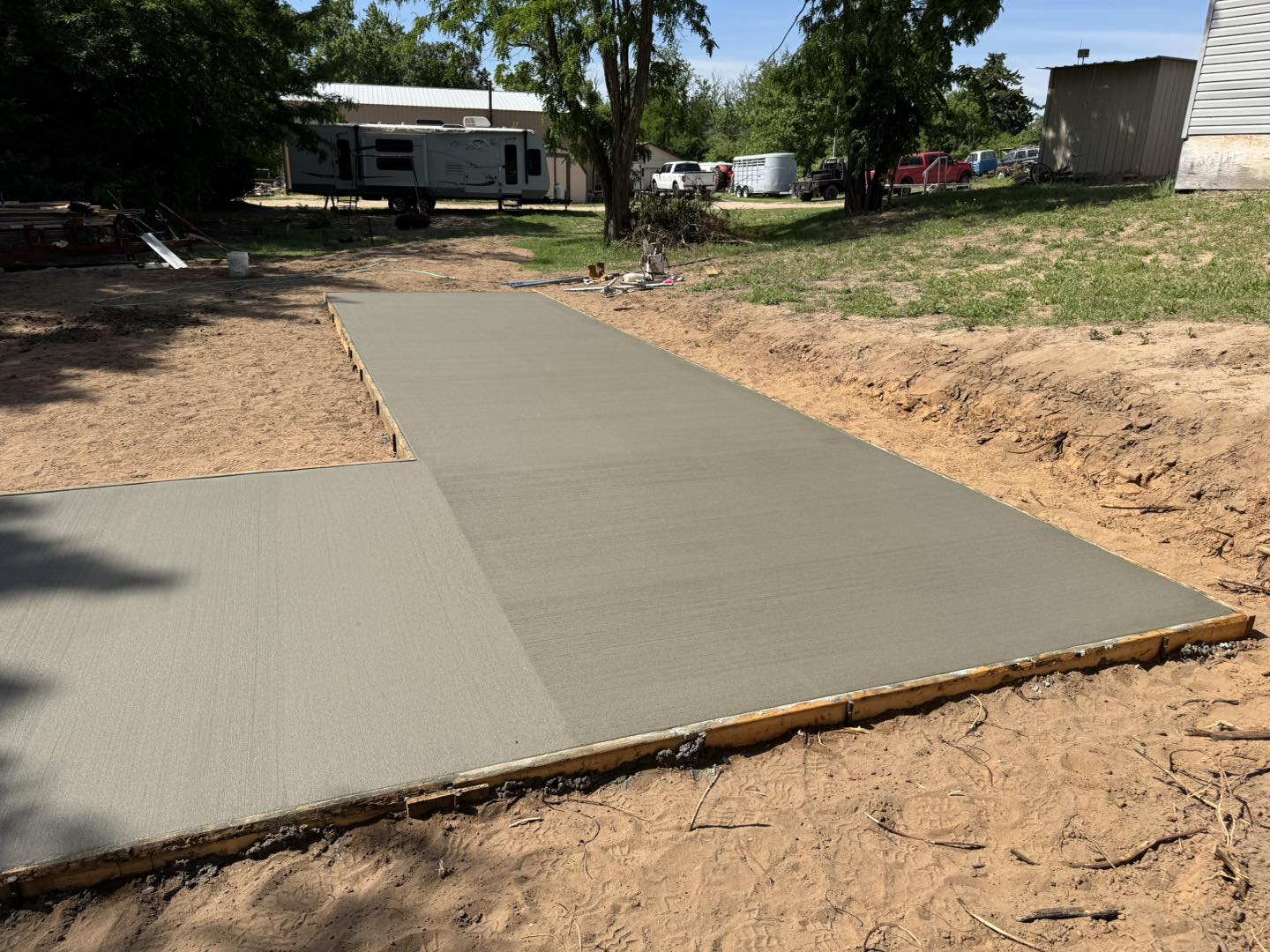
Innovative Acoustic Solutions: Utilizing Concrete for Sound Management in Urban Spaces May 08, 2026
Controlling noise pollution is essential for a vibrant, healthy urban life. Exposure to chronic noise can lead to stress, sleep disturbances, and even cardiovascular diseases. Here, concrete steps up as an unsung hero, providing substantial acoustic insulation thanks to its inherent density and mass. When used strategically, concrete can significantly reduce noise transmission, making it an ideal material for urban sound management.
One of the primary benefits of concrete in acoustics is its ability to act as a sound barrier. Concrete walls and panels can be strategically placed to deflect and absorb sound waves, minimizing the travel of noise from busy streets into residential or quieter commercial areas. This application is particularly significant in cities where space constraints make traditional noise barriers impractical.
Concrete’s malleability also offers versatility in design. Recent advancements in concrete technology allow for the creation of aesthetically pleasing structures that double as sound barriers. Decorative grooves, patterns, and textures not only enhance visual appeal but also increase surface area, improving sound absorption. TC Concrete stays at the forefront by integrating such designs, providing solutions that are both functional and architecturally appealing.
Further adding to its acoustic credentials is concrete's ability to be tailored into composite materials. By incorporating other sound-absorbent materials, like recycled rubber or wood chips, into the concrete mix, we can enhance its acoustic properties. These composites can provide even greater sound dampening, a method that TC Concrete is pioneering to offer superior acoustic solutions.
However, the journey doesn’t end with just structural barriers and composites. Innovations continue to emerge in concrete’s capacity to manage sound. Permeable concrete, for example, serves as a surprising alternative for combating sound pollution. While primarily designed for water management, permeable concrete’s porous nature can break up sound waves, further reducing noise levels in urban areas. This multifunctionality makes it a standout option in city planning.
The deployment of such innovative technologies doesn’t just improve urban living conditions—it also contributes to sustainable development goals. Concrete structures designed for sound management can complement green spaces, encouraging urban biodiversity while reducing the energy demanded by artificial sound control systems.
TC Concrete is not just a participant in these developments; it is an innovator driving change in how we approach urban acoustics. By continuously researching and adapting to the latest in acoustic engineering, TC Concrete ensures that its clients benefit from cutting-edge solutions.
In conclusion, while concrete may be conventional in urban architecture, its potential as a key component in acoustic management is uncovering fresh perspectives. From acting as formidable barriers to evolving into complex composites, concrete continues to demonstrate its indispensable role in creating harmonious urban communities. As cities grow denser, embracing such innovative acoustic solutions will be vital. By choosing partners like TC Concrete, committed to innovation and sustainability, urban planners can ensure a future where cities are not just heard, but also listened to with clarity and calm.
/filters:no_upscale()/filters:format(webp)/media/DFA1B79CSSKMO5T4NX1I3OVKDLZ2EZOTR3II0MTX.jpeg)
/filters:no_upscale()/filters:format(webp)/media/aaaeb466-f364-4b4c-bcb6-9889ebc78003.jpeg)